
What Qualifies for Memory Care?

Noticing that a parent or spouse is struggling with memory is hard enough. Figuring out whether it's time for memory care, and whether your loved one even qualifies, can feel like another full-time job.
The good news is that there's no single test or checklist. Qualifying for memory care comes down to a loved one's memory loss, their safety, and the kind of daily support they need. Here's what communities typically look at, what the process involves in Florida, and how to tell whether memory care is the right fit.
What Is Memory Care?
Memory care is a specialized form of assisted living designed for people living with Alzheimer's disease, dementia, and other forms of memory loss. It offers a secure setting, staff trained in dementia care, and daily routines built around how memory loss affects a person's needs. For a closer look at what daily life involves, read our post on what is memory care.
Who Typically Qualifies for Memory Care
Every community sets its own admission standards, but most look at the same core factors:
-
Memory loss that affects daily life. This usually means a diagnosis of Alzheimer's disease or another dementia, or physician documentation of memory impairment.
-
Safety concerns. Wandering, getting lost, leaving the stove on, or being unable to recognize unsafe situations are common reasons families look into memory care.
-
Help with daily activities. Needing assistance or supervision with bathing, dressing, grooming, toileting, eating, or medications.
-
Changes in behavior or mood. Increased confusion, anxiety, agitation, or restlessness that is hard to manage at home or in a standard setting.
-
Medical stability. The person's care needs should be something an assisted living community can safely meet, rather than needing round-the-clock skilled nursing care.
No single factor decides it. A community looks at the whole picture, including what your loved one can still do on their own.
Signs It May Be Time to Consider Memory Care
Families often start asking about memory care after a moment that shakes their confidence in the current arrangement. Watch for:
-
Wandering or trying to leave the home unsupervised
-
Frequent falls, or trouble moving around safely
-
Missed or doubled medications
-
Not eating regularly, or forgetting how to prepare meals
-
Growing agitation, especially in the late afternoon or evening
-
A primary caregiver who is exhausted or whose own health is suffering
If wandering is on your mind, our post on when wandering becomes dangerous walks through the warning signs in more detail.
What the Qualification Process Looks Like in Florida
In Florida, moving into an assisted living community, including one with memory care, involves a few steps:
-
A medical examination. A licensed physician, physician assistant, or advanced practice registered nurse must examine the person face to face within 60 days before admission or within 30 days after. The results are recorded on the state's Resident Health Assessment (AHCA Form 1823) or a provider's own form.
-
An assessment by the community. The care team reviews your loved one's health, abilities, and support needs to confirm they can provide the right level of care.
-
A personalized care plan. Once your loved one moves in, the plan is built around their routines, preferences, and needs.
-
Ongoing reassessment. Florida requires a new face-to-face medical exam at least every three years, or sooner after a significant change in condition.
Needs change as memory loss progresses, so qualifying is not a one-time decision.
When Memory Care Is Not the Right Fit
Memory care is designed for support, supervision, and daily living help, not for ongoing skilled nursing. If your loved one needs round-the-clock nursing care, a nursing home may be the better fit. Our post on when an Alzheimer's patient should go to a nursing home explains how to tell the difference.
It also helps to know that some assisted living communities hold a specialty license that allows them to provide more nursing services as needs grow. Palm Cottages is one of them. Learn more about what an ECC license is and how ECC assisted living can help residents stay in a home-like setting longer.
How Palm Cottages Approaches Memory Care
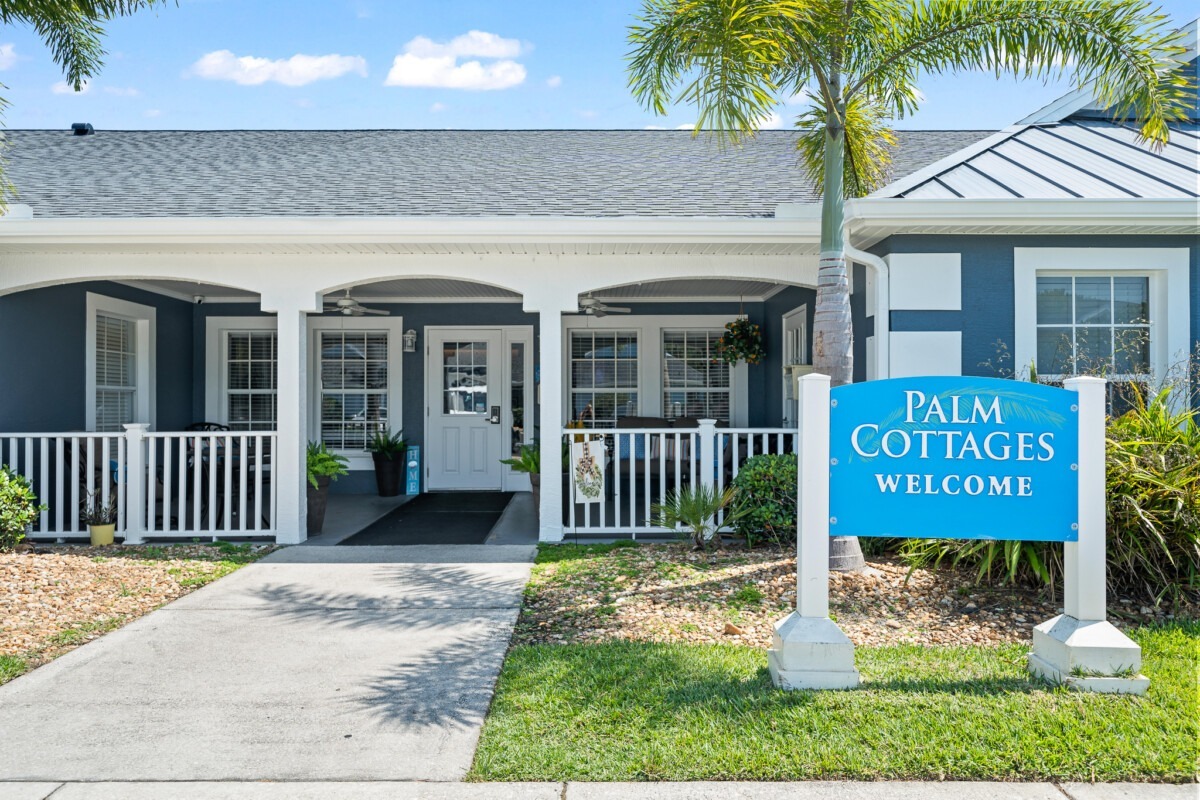
Palm Cottages is a cottage-style assisted living and memory care community in Rockledge, Florida. Our memory care residents live in a smaller, homelike setting with a courtyard connecting our memory care houses, so they can get fresh air and connect with others safely. Our team provides one-on-one care, individualized memory care programs, and medication management with our nursing team. See the community for yourself with our virtual tour.
Frequently Asked Questions
Who decides whether my loved one qualifies for memory care?
A physician completes the required medical examination, and the community's care team then assesses whether they can meet your loved one's needs. Both steps matter.
Can someone with dementia live in assisted living instead of memory care?
Sometimes, especially in earlier stages. It depends on their safety, their needs, and what the community offers. Our guide on who qualifies for assisted living covers the basics.
Does a loved one's eligibility for memory care change over time?
Yes. Florida requires a new face-to-face medical exam at least every three years, or sooner after a significant change in condition, so a community's care plan can keep up with changing needs.
Talk With Our Team
If you're wondering whether your loved one qualifies for memory care, you don't have to figure it out alone. Our team is happy to talk through where they are today and what level of care would serve them best.
Schedule a tour to see our community in person, or contact us to speak with our team. You can also browse our FAQs.